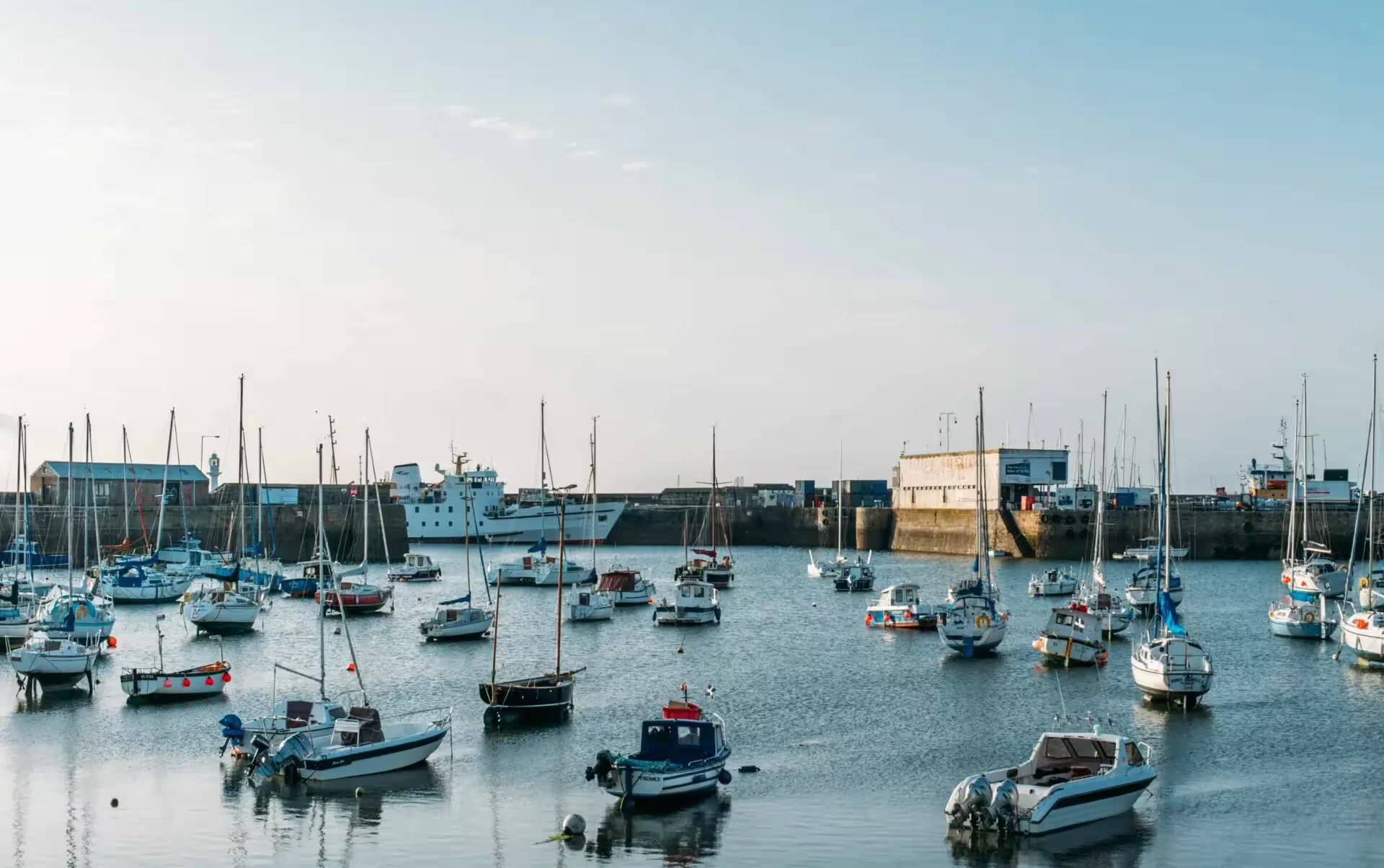
Scillonian III had barely left the shelter of Penzance Harbour when it happened, a smooth grey dolphin broke the surface, catching the early morning light before slipping silently beneath the water again. Up on the deck above, a volunteer surveyor from ORCA, the leading marine conservation charity, smiled as they logged the first sighting of the day. It was the start of a journey where the sea itself comes alive.
If you thought this crossing was just a way to reach the Isles of Scilly, think again. The 28-mile journey between Penzance and St Mary’s has officially been named the UK’s top ferry route for marine wildlife for the fourth year running and it’s easy to see why.
Across seven months of surveying in 2025, trained volunteers from marine conservation charity ORCA recorded nearly 600 animals, a remarkable 72% increase on the previous year. Over 14 surveys covering 1,727km, they logged eight different species , one more than the year before.
Since 2009, ORCA surveyors have been stepping aboard from March to October, building a vital long-term picture of how marine life uses these waters.
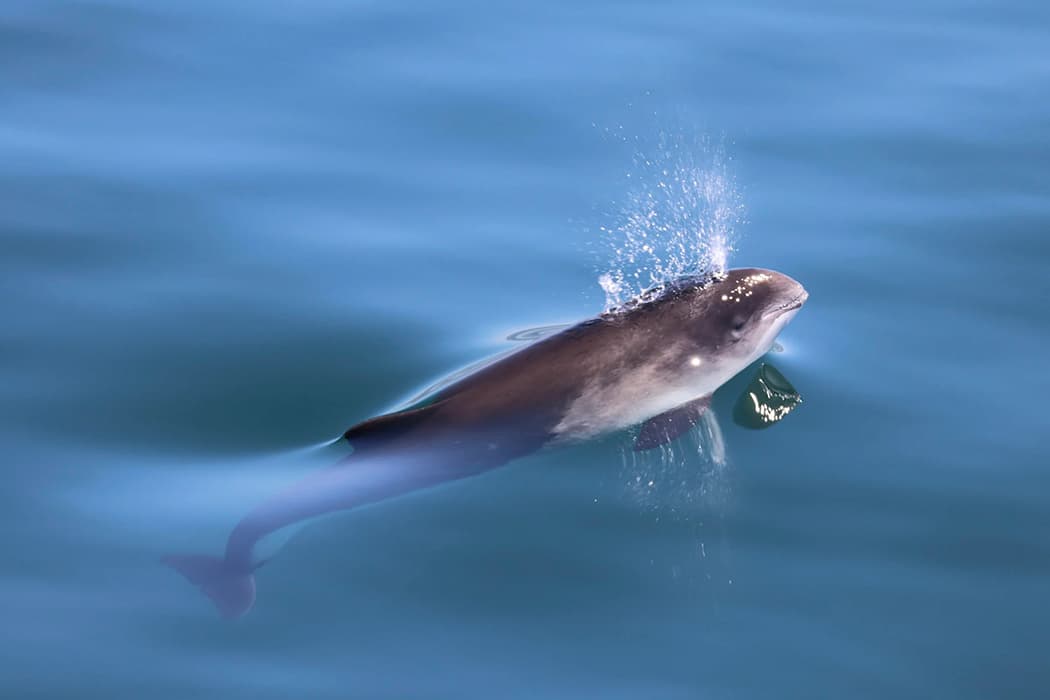
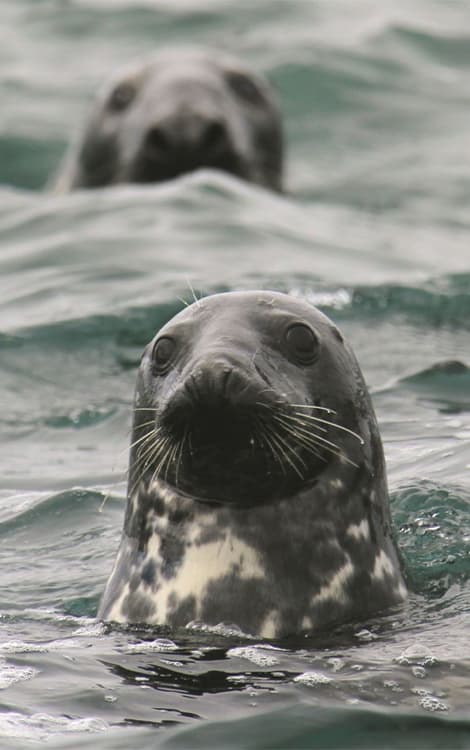
Some days at sea stand out more than others. One August crossing recorded an incredible 137 individual animals in a single survey. Then in September, passengers and surveyors were treated to sightings of six different species on just one trip, including harbour porpoises, bottlenose dolphins, Risso’s dolphins, grey seals and even tuna.
Common dolphins dominated the season, with 450 individuals recorded. They are often seen riding the bow waves, weaving effortlessly alongside the ship as if they were part of the journey too. Moments like these aren’t rare. In fact, they’re part of what makes this crossing so special. You might hear a shout from across the deck — “They’re here! Over here!” and suddenly a pod appears, racing alongside the ferry. It’s spontaneous, joyful, and completely unforgettable.
For ORCA’s scientists, these sightings are more than magical they’re meaningful. The surge in dolphin numbers could reflect changing feeding patterns, as species shift their movements in response to warming seas. Climate research suggests that the English Channel and Western Approaches are evolving ecosystems, with ripple effects throughout the food chain.
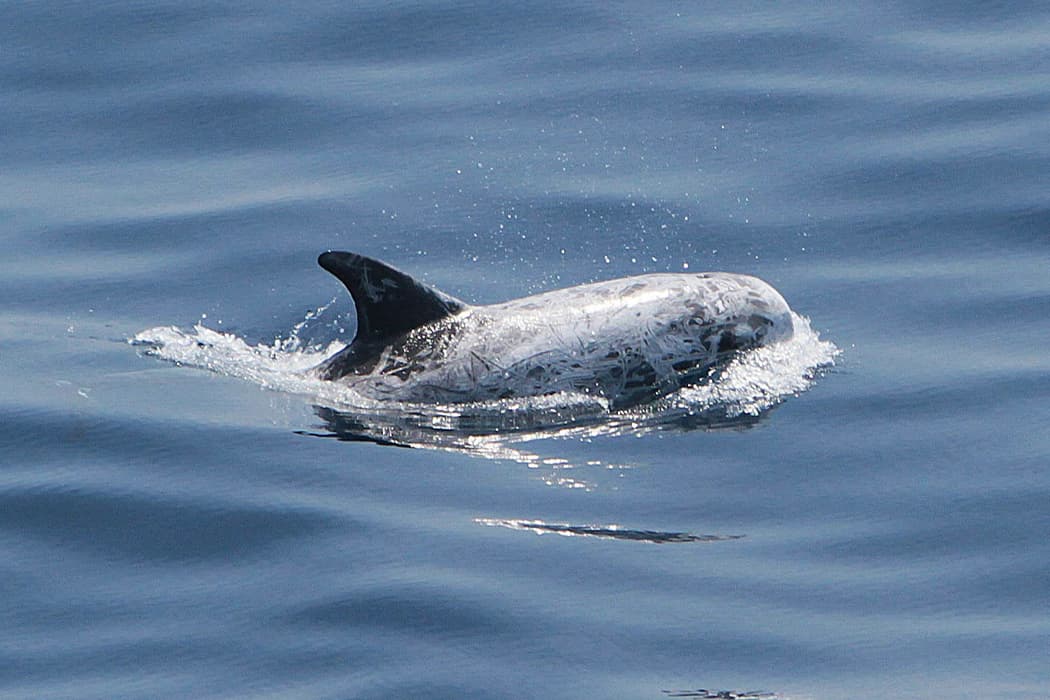
Even species like Risso’s dolphins who are instantly recognisable by their tall dorsal fins made a strong showing this year, adding to the sense that these waters are full of life and change.
For those who know this route best, the wildlife is part of its identity. When former Master Pete Crawford retired after 39 seasons, he didn’t just remember the crossings he remembered the animals. Humpback whales breaching off Land’s End. Pods of killer whales. Fin whales the second largest animal on Earth. Minke whales, tuna, and vast gatherings of basking sharks in summer. For crew and regular passengers alike, sightings aren’t unusual – they’re expected.
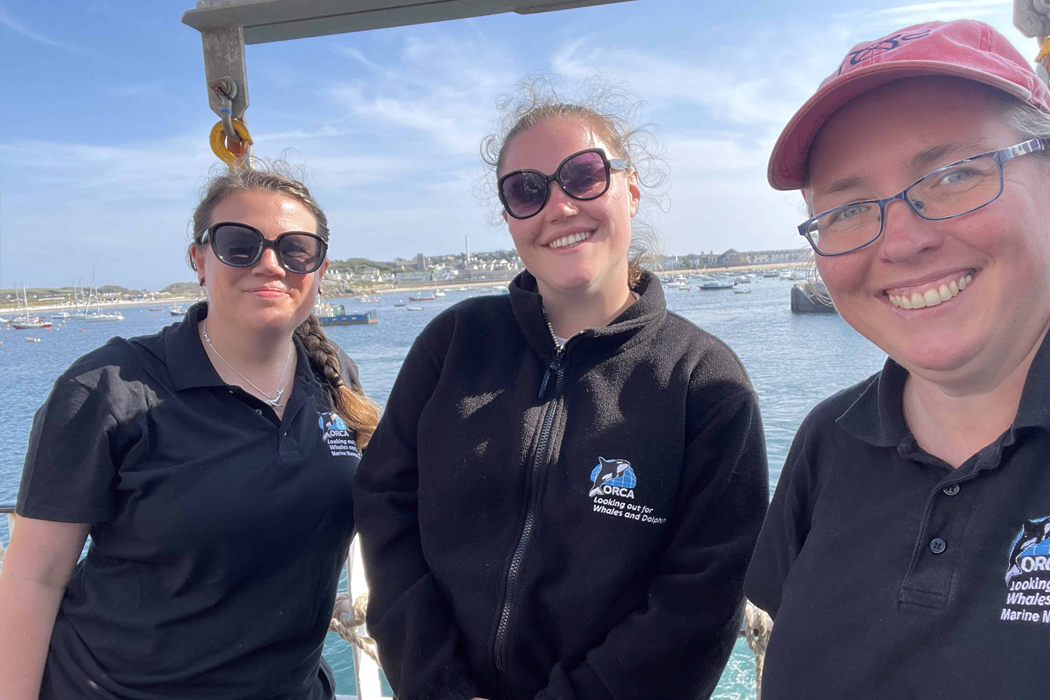
So, next time you step aboard the Scillonian III, keep your eyes on the horizon.
Marine guides and wildlife experts are often on hand, bringing the journey to life as they help passengers spot everything from playful dolphins to drifting sunfish. Sightings tend to peak between July and September, when warmer waters draw an abundance of marine life to the surface. By the time you arrive at St Mary’s Quay, you’ll likely feel as though the adventure has already begun.