
Keeping the islands special
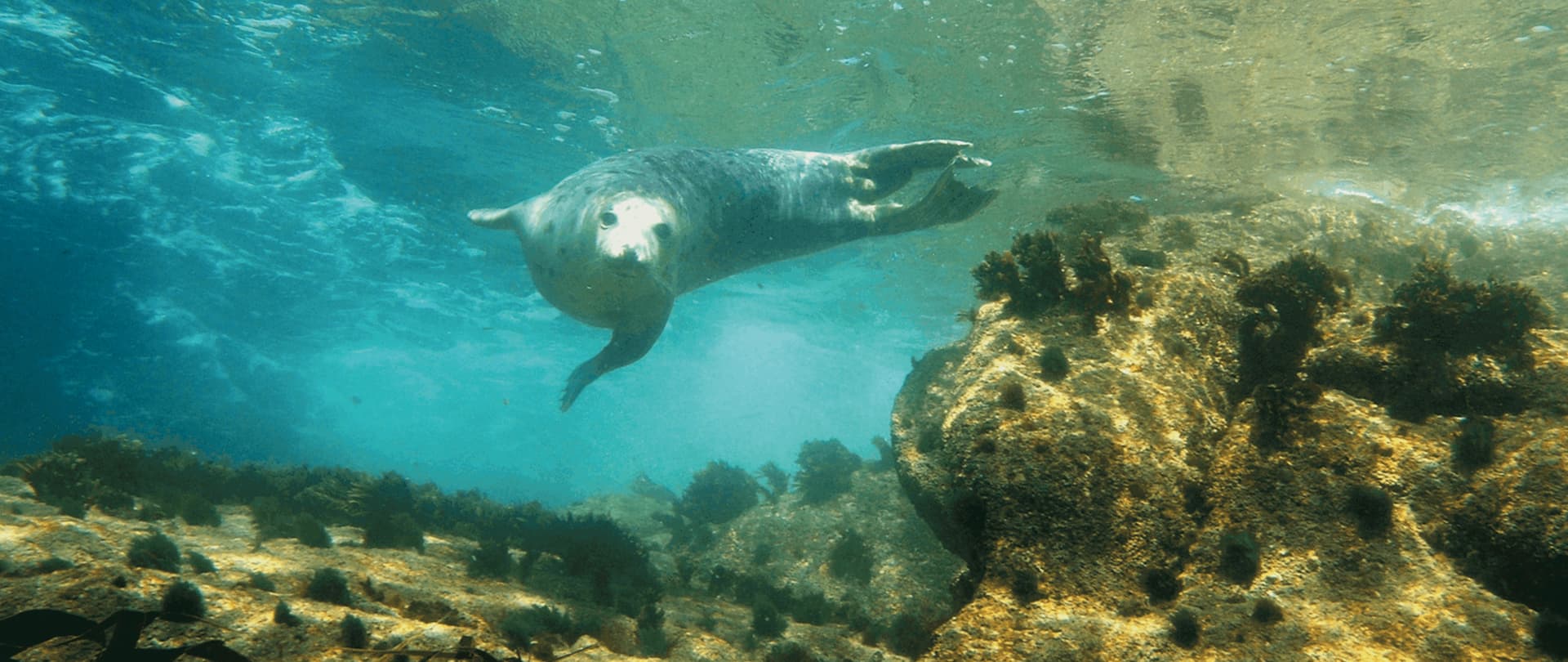
The Isles of Scilly Wildlife Trust (IoSWT) is the islands’ local conservation charity, caring for around 700 hectares of land for both wildlife and people. Their work spans managing diverse habitats, protecting rare plants, monitoring seabirds, grey seals and bats, and helping people connect more deeply with the natural world around them.
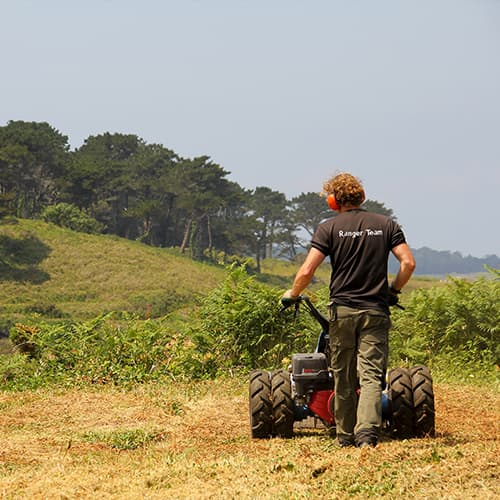
Each year, they maintain 85km of paths across ten islands, ensuring that residents and visitors alike can explore and enjoy this unique environment. We’re proud to support IoSWT through a dedicated partnership, helping to safeguard the islands for future generations.
The Isles of Scilly are designated National Landscape, with the entire archipelago included, making it the smallest in the UK. Despite their size, the islands are exceptionally rich in wildlife, from seabirds and seals to rare and delicate plant species.
This remarkable diversity of habitats creates a haven for biodiversity and draws visitors from far and wide. Some species, such as the Scilly shrew, dwarf pansy, and orange bird’s-foot, are found nowhere else .
Whether on land or at sea, there’s wildlife to discover in every season migratory birds in spring and autumn, seabirds like puffins and Manx shearwaters in summer, and marine life including grey seals, dolphins and even whales. Along the way, you can admire majestic elm trees, explore thriving rockpools, and breathe in the distinctive coconut scent of gorse.
Experience information
Did you know?
You can help to protect the Isles of Scilly’s unique environment and support the conservation work that the Isles of Scilly Wildlife Trust do by making a voluntary donation to them when booking your travel.
Save our shorebirds?
Oystercatchers are one of the island’s most iconic island birds, with their striking black-and-white plumage, red legs and carrot-like bill. Island-wide surveys have suggested that oystercatcher numbers have declined by 27%.